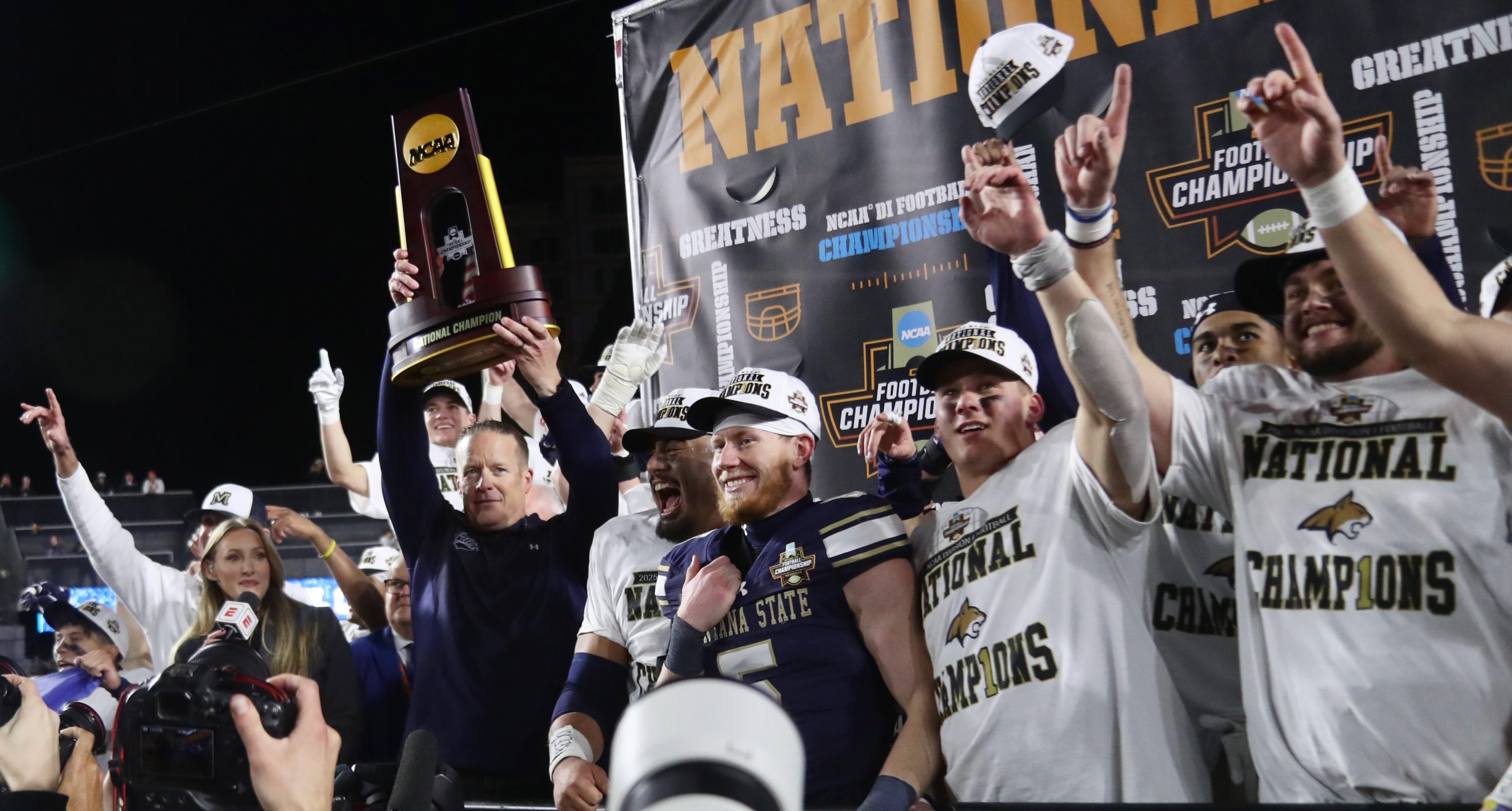
The debate is settled, for now. In light of their recent National Championship and double Brawl victories, it’s clear that Montana State’s football program has surpassed the University of Montana’s. That’s the “what,” but now the debates have moved to questions of “why” and “how.” One factor that many of us have been highlighting for a few seasons is the shift in in-state recruiting; it has seemed that more of the best prep athletes from the Treasure State have been choosing the Bobcats. However, defenders of the Griz can rightly counter that they have always brought in strong numbers of Montana high school football players themselves. To provide insight on this issue, a deeper dive is warranted.
What follows is an attempt to catalogue all of the in-state recruiting at Montana and Montana State from 2016 to 2025. How many students chose to go to one school versus the other? Of those students who had the choice between the two schools, which school was favored and how often? Most critically, what did the schools do with their in-state talent once they got the players on-campus? Here is what the numbers say.
Raw Figures
Over the period of the sample, 2016-2025, the Cats have outpaced the Griz, but not in dramatic fashion. We count MSU has brought in 110 in-state players over that time-period to UM’s 97, which equates to roughly one extra player coming to Bozeman per season. This average also holds true for UM if you restrict the date range to 2018-2025 (Hauck’s second tenure) and it’s also virtually identical to the average specifically under Brent Vigen at MSU (2021-2025). The only hesitation here is that UM’s recent numbers are in decline. They will have a maximum of 11 Montana players on their roster in 2026 from the ‘24 and ‘25 recruiting classes (this number could go down after spring ball). At this point, it’s hard to say if it’s a blip or a trend, but certainly it’s something to watch.
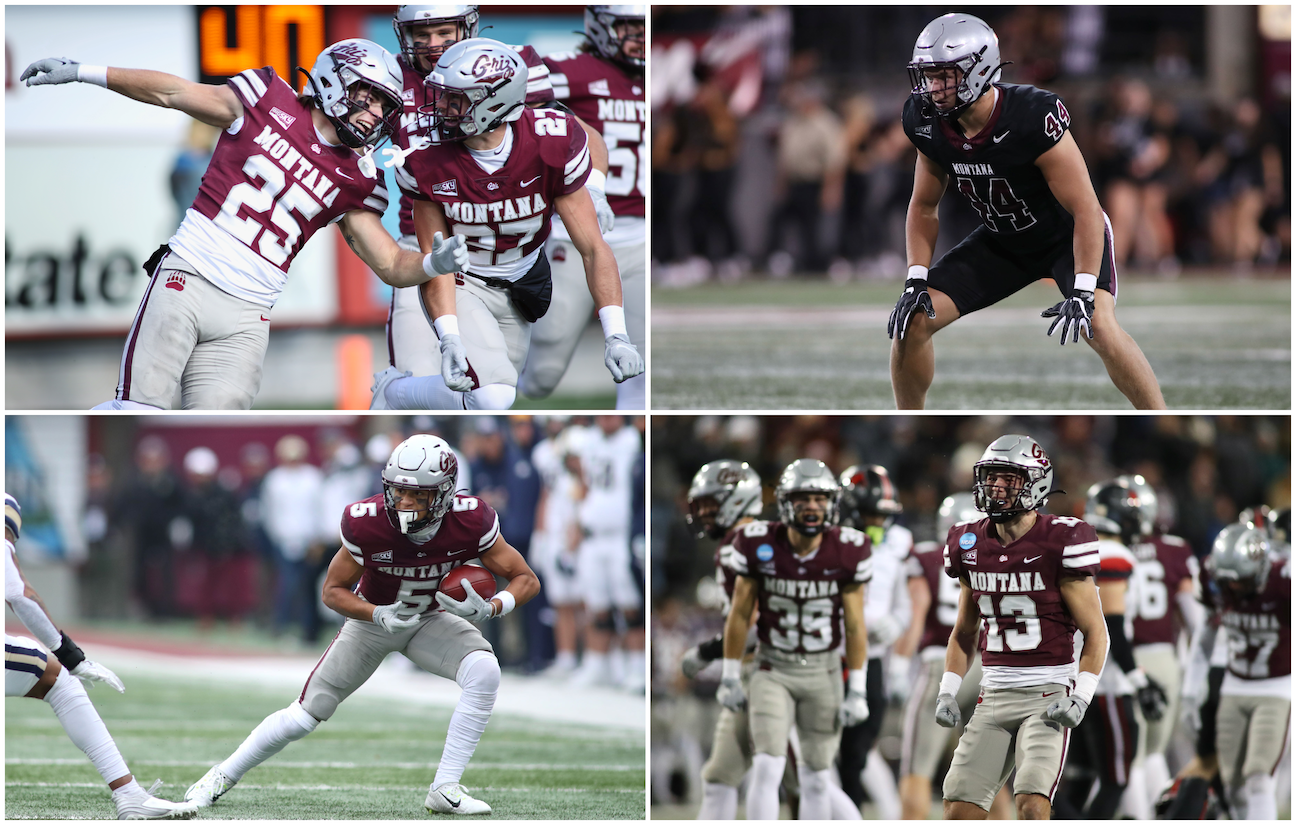
The first notable observation here is that the in-state talent gap can’t be attributed to one team bringing in significantly more players than the other. At least not yet.
Decisions, Decisions
Of those players that had a choice to go to either school, we counted 20 that chose to come to MSU and 14 that opted for UM. These numbers come with a big caveat: tracking down which players had offers where, sometimes as far back as a decade ago, is really difficult and sometimes impossible. But if we assume for the sake of argument that these numbers are in the ballpark, this is an edge for the Cats, but not a significant one; six players choosing one school over the other over the course of a decade is hardly decisive. However, the numbers look much different if we restrict the sample to 2021-2025 (i.e. Hauck Vs. Vigen): 14-7 in favor of MSU.
Montana also had three wins outside the traditional recruiting cycle. UM head coach Bobby Hauck’s Robby Hauck was born in Montana but played high school ball in San Diego before becoming a 4-year starter. Patrick O’Connell of Kalispell and Dylan Cook of Butte started their careers at smaller schools before walking on at Montana, sparking NFL careers.
Thus, our second observation is that the in-state recruiting battle is at least one piece of the puzzle. Under the current regimes, the Cats win out twice as often as the Griz.
Development & Impact
Both schools have been bringing in their share of players from the state of Montana. MSU may be winning more battles than they’re losing, but that on its own isn’t enough to account for the large on-field discrepancy. So where else could we turn? The only other place to look is what has happened after the recruiting process is over and the players are in the development pipeline.
What follows are two data sets that cover two different time periods. “Totals” refer to how many players the school in question recruited from Montana over the time span. “Stars” refers to those players who, at any point in their career, became high-end impact players. “Starters” refers to those players who, while not reaching the highest levels, became reliable starters. “Contributors” refers to those players who, while not becoming full-time starters, were key role-players (e.g. rotational players, backup QB’s, ST’s aces, etc). “Incomplete” refers to those players who, while not making any significant contributions to this point, remain on their respective rosters. “Miss Rate” is the percentage of in-state recruits who are no longer with the team and never made a contribution of significance.
2016-2025: This time span begins with the hiring of Jeff Choate, which signalled a renewed emphasis on in-state players in Bozeman. It also covers a span in which the Bobcats went 8-2 against the Grizzlies.

Montana State:
- Total: 110
- Stars: 20 (18%)
- Starters: 11 (10%)
- Combined (Stars + Starters): 32 (29%)
- Contributors: 12 (11%)
- Incomplete: 22 (20%)
- Miss Rate: 40%
- Star:
-
- DT Chase Benson (2016)
- DT Derek Marks (2016)
- LB Troy Andersen (2017)
- WR Lance McCutcheon (2017)
- LB Callahan O’Reilly (2017)
- FB R.J. Fitzgerald (2017)
- TE Treyton Pickering (2018)
- LB Nolan Askelson (2018)
- OL Marcus Wehr (2019)
- S Rylan Ortt (2019)
- QB Tommy Mellott (2020)
- LB McCade O’Reilly (2020)
- DE Brody Grebe (2020)
- DE Paul Brott (2021)
- DE Kenneth Eiden (2021)
- WR Taco Dowler (2022)
- S Caden Dowler (2022)
- RB Adam Jones (2023)
- LB Cole Taylor (2023)
- Braden Zimmer (2024)
- Total: 20
- 2019-25: 12
- Starter:
- Michael Jobman (2016)
- Jered Padmos (2016)
- Ryan Davis (2017)
- Lane Sumner (2018)
- Ryan Lonergran (2019)
- Justus Perkins (2019)
- Neil Daily (2021)
- Burke Mastel (2022)
- J.J. Dolan (2023)
- Bryce Grebe (2023)
- Zac Crews (2023)
- Rocky Lencioni (2024)
- Total: 12
- 2019-25: 8
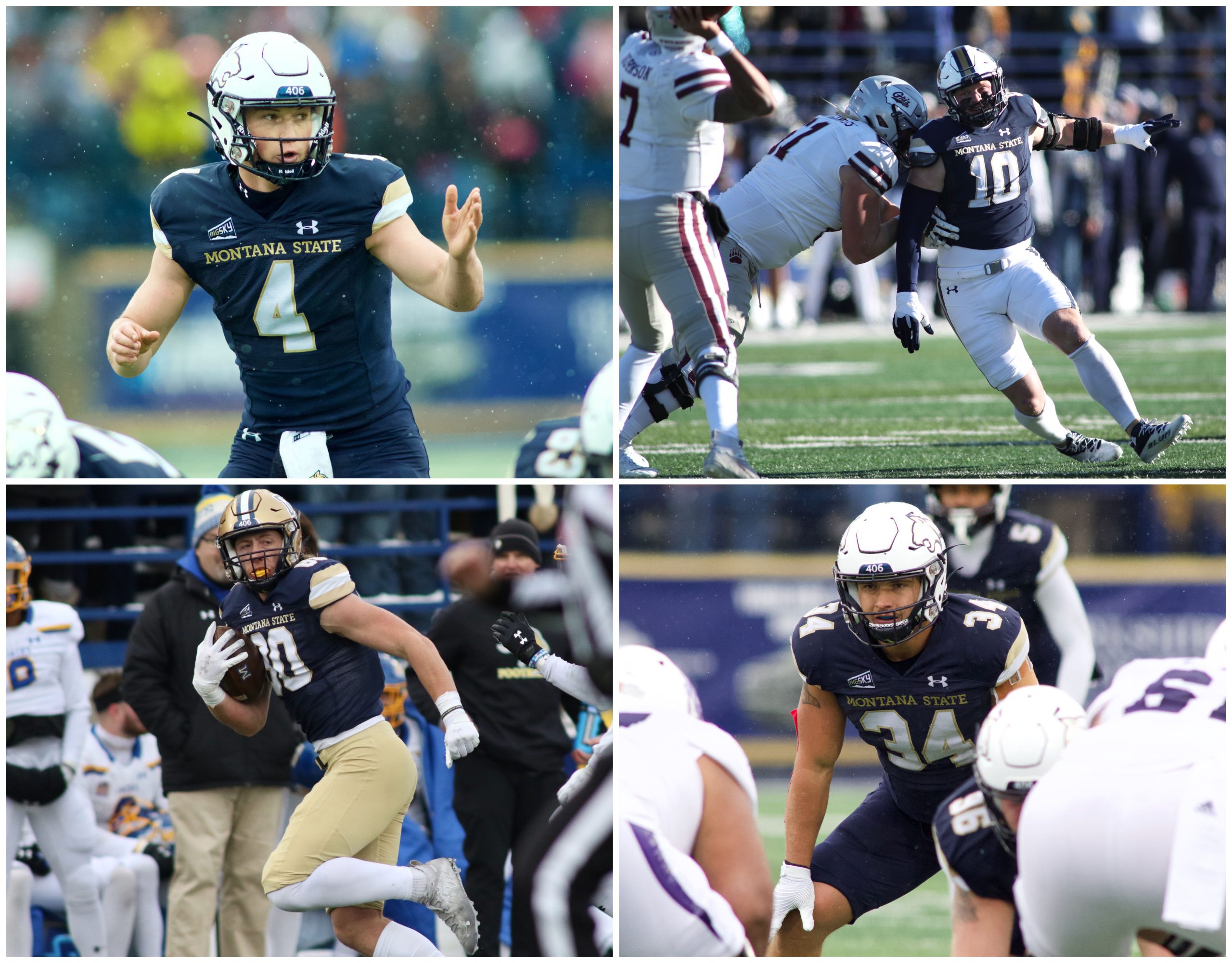
- Key Contributor/Reserve:
- Jake Sessions (2016)
- Tadan Gilman (2017)
- Jory Choate (2018)
- Holden Sampson (2019)
- Alex Johnson (2019)
- Rylan Schlepp (2022)
- Talon Marsh (2023)
- Patrick Duchien (2023)
- Hunter Sharbono (2023)
- Everett Carr (2023)
- Colter Petre (2023)
- Mason Dethman (2024)
- Total: 12
- 2019-25: 9
- Incomplete: 22
- Tommy Nilson (2022)
- Ryan Krahe (2022)
- Jaren Perkins (2022)
- Jake Vigen (2022)
- Tom Carter (2023)
- Luke Smith (2023)
- Jonathan Luhmann (2023)
- Hudson Wiens (2024)
- Dalton Noble (2024)
- Joshua Woodberry (2024)
- Kee Christiansen (2024)
- Vinnie Souza (2025)
- Vaughn Wirkus (2025)
- Carter Curnow (2025)
- Ben Winters (2025)
- Grant Vigen (2025)
- Luke Oxarart (2025)
- Malachi Claunch (2025)
- Kash Embry (2025)
- Tommy Springman (2025)
- Blaine Downing (2025)
- George Helms (2025)
- Total: 22
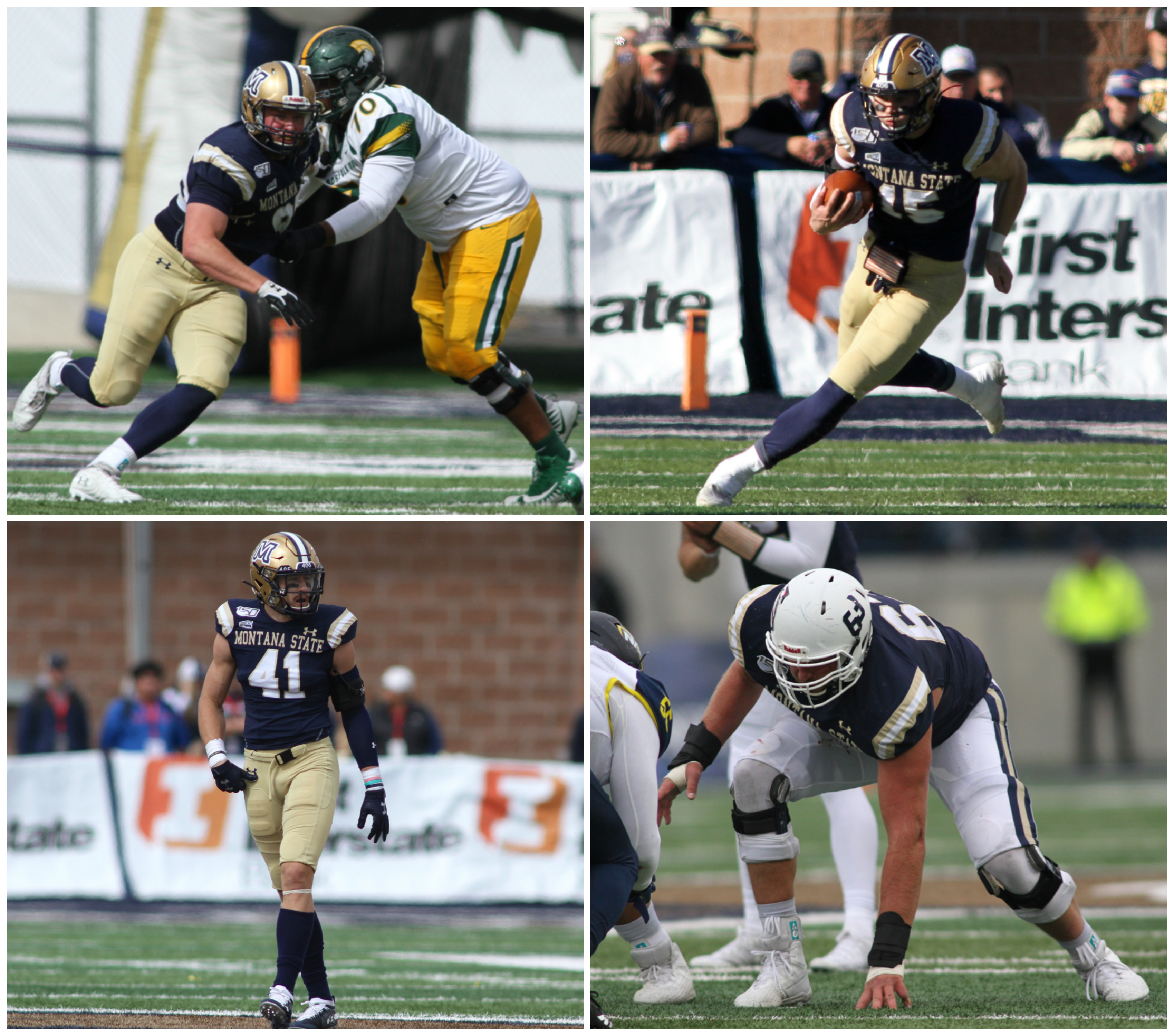
- Recruiting Wins:
- Chase Benson (2016)
- Jacob Hadley (2016)
- Troy Andersen (2017)
- Tadan Gilman (2017)
- Tanner Trafton (2019)
- Tommy Mellott (2020)
- Neil Daily (2021)
- Kenneth Eiden (2021)
- Taco Dowler (2022)
- Caden Dowler (2022)
- Burke Mastel (2022)
- Ethan Abbott (2022)
- Hudson Wiens (2024)
- Dalton Noble (2024)
- Rocky Lencioni (2024)
- Mason Dethman (2024)
- Vinnie Souza (2025)
- Vaughn Wirkus (2025)
- Carter Curnow (2025)
- Grant Vigen (2025)
- Total: 20-14
- 2021-25: 14-7
- Totals:
- 2016-2025: 110 total players
- 60% Total Hit Rate
- 32% Starters (Stars + Starters)
- 14% Stars
- 40% Misses
- 20% TBD
- 2019-2025: 73 total players
- 70% Total Hit Rate
- 28% Starters (Stars + Starters)
- 16% Stars
- 30% Misses
- 30% TBD
- 2016-2025: 110 total players
Montana
-2016-2025: 97 Total Montana Recruits
-2019-2025: 66 Total Montana Recruits
- Total: 97
- Stars: 12 (11.5%)
- Starters: 10 (10.5%)
- Combined (Stars + Starters): 22 (23%)
- Contributors: 10 (10.5%)
- Incomplete: 13 (14%)
- Miss Rate: 54%
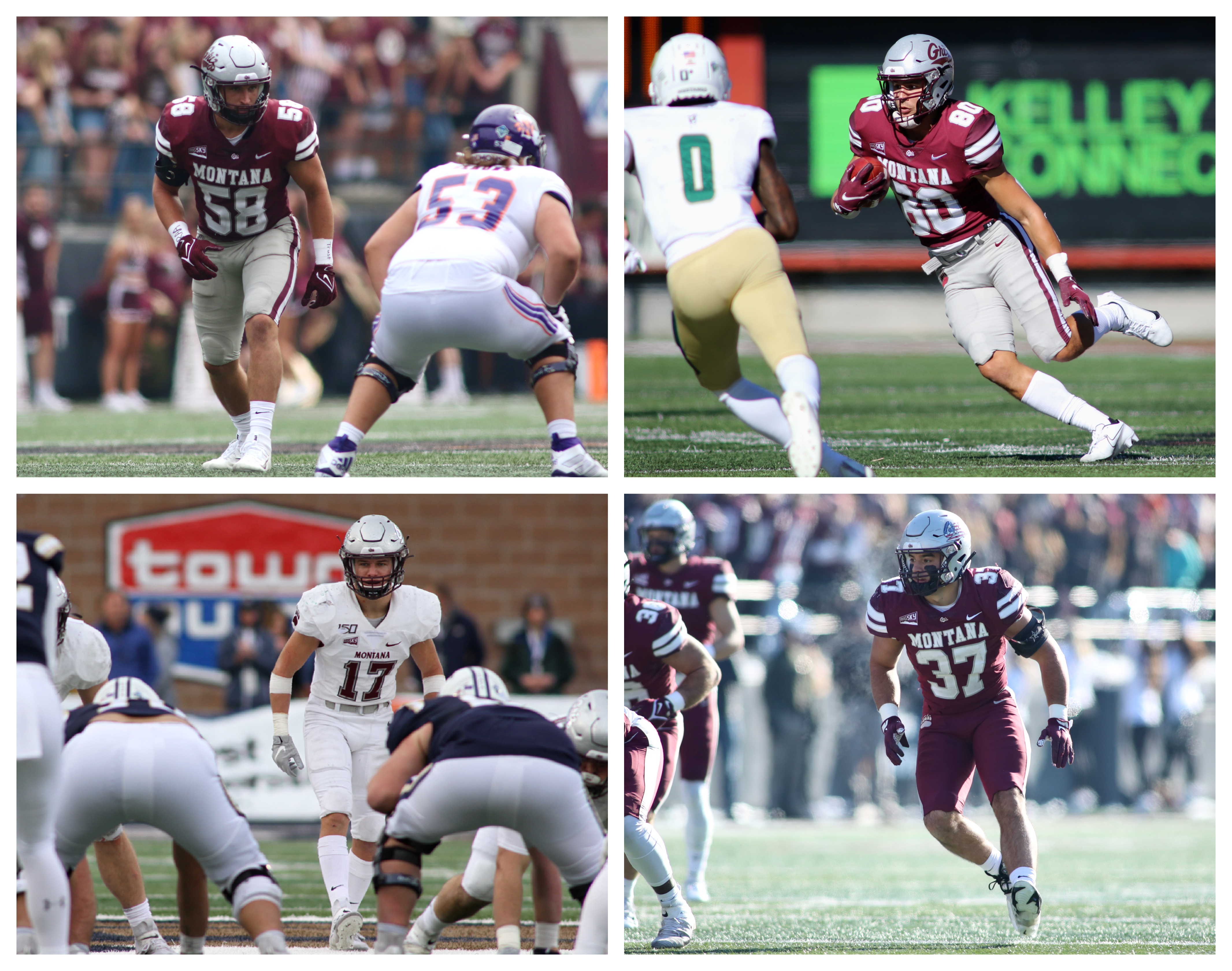
- Stars:
- Jace Lewis (2016)
- Marcus Welnel (2016)
- Levi Janacaro (2018)
- Braxton Hill (2018)
- Patrick O’Connell (2018, walk on)
- Dylan Cook (2018, walk on)
- Ryder Meyer (2019)
- Jaxon Lee (2020)
- T.J. Rausch (2021)
- Ryan Tirrell (2019)
- Trevin Gradney (2019)
- Junior Bergen (2021)
- Total: 12
- 2019-25: 6
- Starters:
- Braydon Deming (2017)
- Bryson Deming (2017)
- Mitch Roberts (2017)
- Garrett Graves (2018)
- Dillon Botner (2019)
- Journey Grimsrud (2020)
- Drew Deck (2020)
- Kellen Detrick (2021)
- Jace Klucewich (2021)
- Clay Oven (2023)
- Total: 10
- 2019-25: 6
- Key Contributors/Reserves:
- Gabe Sulser (2018) – would’ve been a star if he stayed healthy…
- Ryan Simpson (2019)
- Kris Brown (2019)
- Henry Nuce (2020)
- Carson Rostad (2020)
- Geno Leonard (2021)
- Jake Olson (2021)
- Ian Finch (2022)
- Cameron Gurnsey (2023)
- Total: 9
- 2019-2025: 8
- Incomplete:
- Austin Buehler (2023)
- Gage Sliter (2023)
- Kash Goicoechea (2024)
- Isaac Keim (2024)
- Danny Sirmon (2024)
- Grady Walker (2024)
- Talen Reynolds (2024)
- Cody Schweikert (2024)
- Fynn Ridgeway (2025)
- Chase Cook (2025)
- Ezra Meyer (2025)
- Bridger Salvevold (2025)
- Bridger Smith (2025)
- Total: 13
- Recruiting Wins:
- Jed Nagler (2016)
- Trace Bradshaw (2016)
- Cole Rosling (2016)
- Gabe Suler (2018)
- Trevin Gradney (2019)
- Carson Rostad (2020)
- Jaxon Lee (2020)
- Kellen Detrick (2021)
- Junior Bergen (2021)
- Kaden Huot (2022)
- Clay Oven (2023)
- Danny Sirmon (2024)
- Owen Reynolds (2024)
- Bridger Smith (2024)
- Total: 14-20
- 2021-2025: 7-14
- Totals:
- 2016-2025: 95 total players
- 44% Total Hit Rate
- 21% Starters (Stars + Starters)
- 10% Stars
- 56% Misses
- 14% TBD
- 2019-2025: 66 total players
- 50% Total Hit Rate
- 18% Starters (Stars + Starters)
- 9% Stars
- 50% Misses
- 20% TBD
- 2016-2025: 95 total players
2019-2025: This time span begins after the famous “Miracle in Missoula” (or “Mishap in Missoula,” for our maroon friends). While it technically precedes the Brent Vigen era in Bozeman, all of the players recruited in this sample were developed by Vigen and his staff. The Cats are 5-2 in the rivalry over the course of this sample.
Montana State:
- Total: 73
- Stars: 11 (15%)
- Starters: 8 (11%)
- Combined (Stars + Starters): 19 (26%)
- Contributors: 10 (14%)
- Incomplete: 22 (30%)
- Miss Rate: 30%
Montana:
- Total: 66
- Stars: 3 (5%)
- Starters: 7 (11%)
- Combined (Stars + Starters): 10 (15%)
- Contributors: 10 (15%)
- Incomplete: 13 (20%)
- Miss Rate: 50%
Analyzing the Numbers
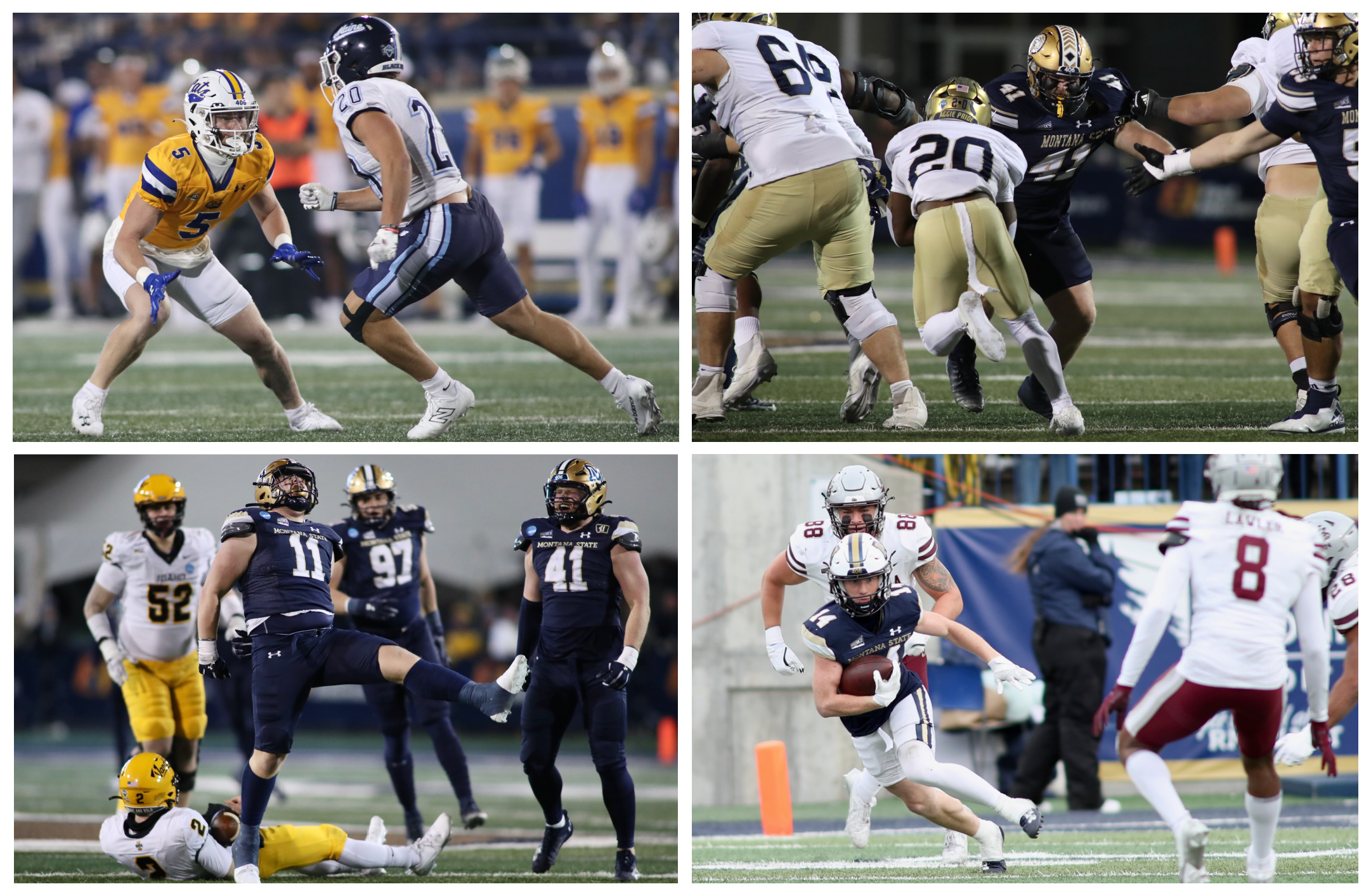
Once high school recruits from the state of Montana get to their respective schools, the pathways to starting jobs look quite different. While the Grizzlies and Bobcats have had similar numbers of role players over these time spans, the Griz are significantly behind when it comes to developing starting players. The Bobcats have 60% more starters from the state of Montana from 2016-Present and that number only gets bigger if you focus on the more recent sample (90%).
Perhaps most concerning for the Grizzlies is the disappearance of “star” players from in-state. From 2016-2019, UM was a factory of stud linebackers from the state of Montana: Jace Lewis, Marcus Welnel, Levi Janacaro, Braxton Hill, and Ryan Tirrell. However, Tirrell is the most recent one and he was in the 2019 recruiting class (along with star corner Trevin Gradney). Since that time, it can only be said that the Griz have developed one in-state recruit into a star: Junior Bergen from the 2021 class. Bergen himself comes with two caveats: 1) he was a Bobcat commit who flipped during a coaching change (in fairness, the Cats similarly were gifted Zac Crews due to external circumstances) and 2) Bergen finished his UM career in 2024. The Grizzlies currently have zero stars from the state of Montana, zero returning starters, and only a small handful of players who could possibly challenge for a starting role in 2026. Nothing is set in stone in late January, but it’s conceivable that UM could field a roster with only 2-3 starters from the state of Montana.
By contrast, Montana State’s current roster is littered with starters and high impact players who came to the program from within the state and were quickly developed into capable D-1 football players. There are currently 10 players with starting jobs slated to return in 2026. Two others (Zac Crews and Talon Marsh) are slam dunk predictions to win starting roles, while a handful more could be considered hopefuls. There’s a great shot that over half of the starting lineup of the reigning national champions will be populated by Montana kids.
Conclusions
All of this leaves me with two basic questions:
- What’s behind these discrepancies and trends?
I think the scales tipping towards MSU in regards to in-state recruiting battles is one piece of it, but not the totality. In my opinion (and certainly not a novel opinion), I think that MSU’s strength & conditioning program and stingier use of the portal have made the difference.
Head Coach Brent Vigen has commented before that Strength Coach Sean Herrin is the key piece of the program– the Jenga block that’s holding up the tower. This isn’t hard to believe, given how regularly young men come to Bozeman and have their bodies and minds developed in obvious, observable ways. Spend any amount of time listening to pre-game and post-game interviews with MSU players and you will hear Herrin’s name dropped all over the place. Exhibit 1A in this regard is Bobcat starting left tackle Braden Zimmer. Zimmer came out of Billings West listed at 240 pounds and was not regarded as one of the top in-state recruits. He came into the 2025 season at 285 pounds and an injury thrust him into the starting lineup, where he took his lumps and learned on the fly. By the end of the season, I would make a serious argument that he is a future professional and perhaps the best OL talent I’ve ever seen at MSU. By contrast, Austin Buehler came out of Helena Capital in 2023 appearing to have all the tools to grow into a great starting tackle for UM. Entering 2026, he still doesn’t have a start to his name despite the offensive line being a consistent area of need in Missoula.

In regards to the portal, MSU is certainly not above using it. Look no further than starting QB Justin Lamson for evidence of that reality. But their use is limited and Vigen clearly avoids placing portal transfer obstacles in the playing time pathways of his own recruits. How many transfers have the Bobcats brought in during the current cycle? At the time of writing this article, the answer is zero (and that’s despite the fact that they have lost a number of players to said portal).
Montana, on the other hand, has 24 new commits from the portal, many of whom play the same positions as some of their top in-state talent. For example, Kash Goicoechea was a highly regarded prep player from Glacier HS in the 2024 class who is now joined by four transfers at safety. Clay Oven, a 2023 Billings Central Product and current #37, was ready to start last year but was restricted to a backup/rotational role due to four transfers at linebacker and is now joined by four new ones (or three depending on how one slots Nui Tovey). Isaac Keim is a big, talented in-state player on the defensive line from Kalispell, who is currently behind (at least for the moment) four transfers on the DL and is being joined by two new ones.
One could argue that competition is a good thing (and it certainly is), but chances are that 4th, 5th, and 6th year portal additions are going to beat out 2nd and 3rd year in-state recruits in camp. This keeps the younger players out of the very environment that they need if they are going to grow into starters and stars: real games that are still competitive.
All of this leads me to a second question.
- Given the choice, why would in-state players choose Montana?
In past eras, I could easily understand why some would choose going to Montana over Montana State (go back far enough and it was actually unclear why they ever would choose MSU). But it’s no longer easy to understand that. Purely by the numbers, the odds that a player from Montana will be given a real shot to develop, play, and perhaps transcend the game are far greater in Bozeman. Or to state it in the negative, the statistical odds of a great Montana high school athlete starting early at UM hover just above zero.
Given that in-state recruits almost never transfer out, this dynamic has become more important than ever before. In my view, it’s the key trend to watch in this rivalry. Because if Montana cannot reverse the trend, and soon, the vicious cycle could easily spiral downwards. Not playing Montana kids will make it harder to attract the best ones and failing to attract the best ones will make it harder to play any.